
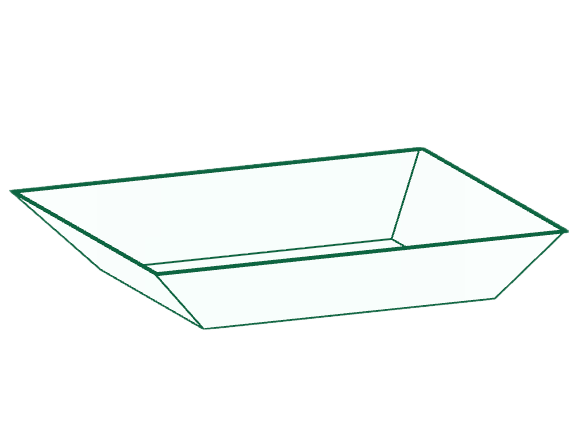
Flame curtain pyrolysis (soil pits)
Low-tech, cost-effective, and easy to implement. Produces high-quality biochar with minimal investment and high scalability. Less efficient than other methods but ideal for distributed farmer adoption.
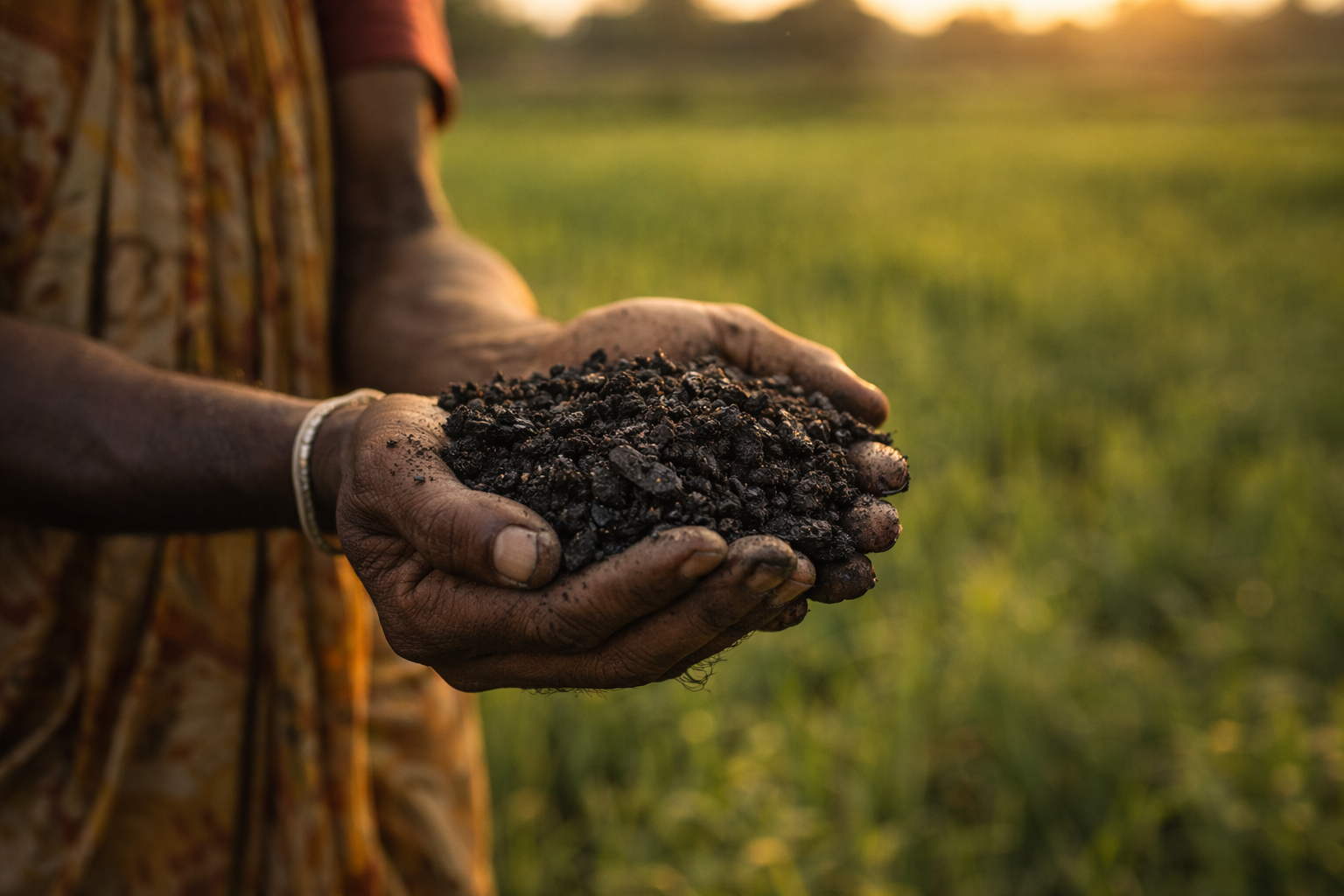
Our CDR process
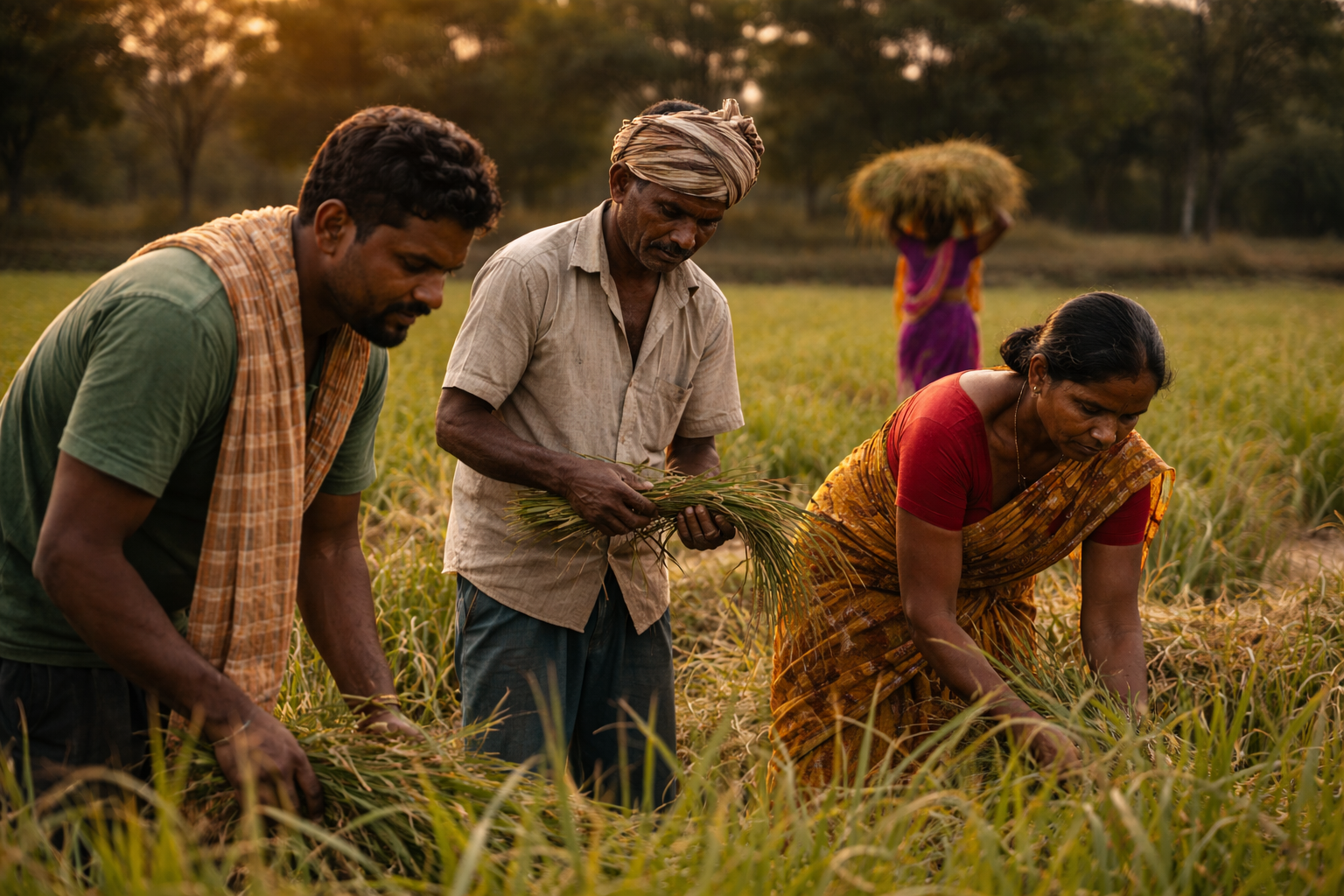
The carbon cycle of life captures carbon from the atmosphere into plants through photosynthesis. When plants die, microorganisms break them down, releasing carbon back into the atmosphere.
Vardanta disrupts this cycle by converting agricultural biomass waste into biochar, which locks the carbon in an inert form that is inaccessible to microorganisms. With each crop cycle, approximately 50% of the carbon in agricultural residues can be transformed into a stable, fossil-like form of carbon.
Biochar is produced when biomass is heated in a low-oxygen environment. The process follows two main phases:
Biomass is made of carbon, oxygen, and hydrogen. When heated, it first releases moisture and initial volatile organic compounds (VOCs). When moisture is driven off, gases like methane become dominant and flammable, enabling a clean and efficient pyrolysis process.
In the second stage, VOCs are driven off and ash starts to form. We carefully manage this phase by introducing fresh biomass. The remaining carbon reorganizes into rings, making biochar a highly stable material that persists in soil for over 1,000 years.
CO₂
Photosynthesis

Biomass harvesting

Pyrolysis
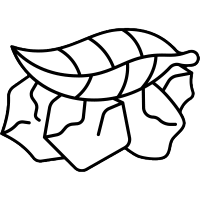
Biochar mixing

Application
C-sink
From simple soil pits to advanced units—tailored to each community and scale.
Low-tech, cost-effective, and easy to implement. Produces high-quality biochar with minimal investment and high scalability. Less efficient than other methods but ideal for distributed farmer adoption.
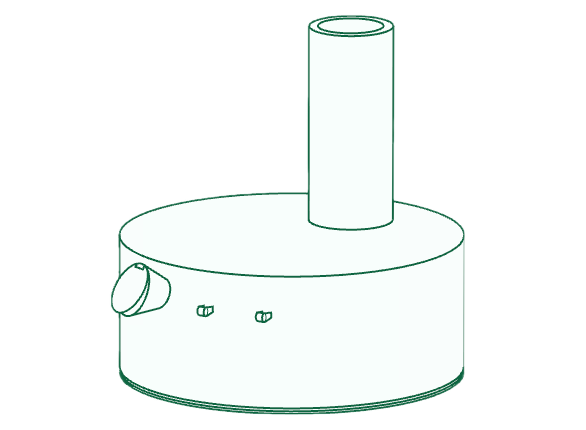
Balanced option with medium investment and consistent high-quality biochar. Improves safety, reduces emissions, and provides stable production—a strong choice for distributed production.
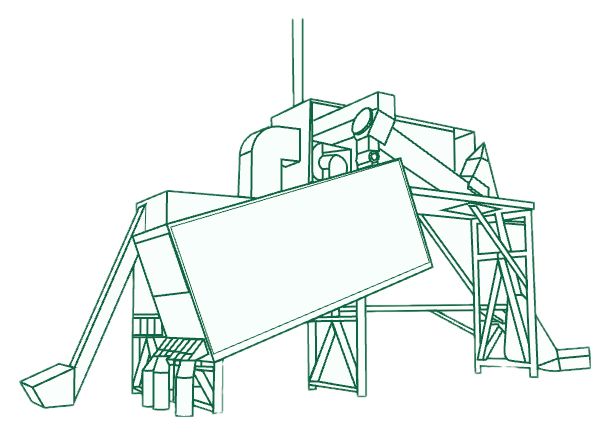
For large-scale operations: maximum efficiency and effectiveness at higher investment. High-quality biochar with medium scalability, ideal for centralized settings.
Well-established research shows that biochar with an H/C ratio below 0.4 has two fractions: ~25% by weight may decompose within ~350 years, while the remaining ~75% has very high permanence of at least 1,000 years. We only bring to market the fraction estimated to persist over 1,000 years.
Our biochar consistently meets low H/C ratios across feedstocks—including rice straw, cotton stalks, corn residues, and others—ensuring durable, high-integrity carbon removal.
New benchmarks such as the inertinite ratio allow us to compare biochar to the most stable forms of organic carbon in the Earth's crust. Long-running field trials confirm that biochar in soils remains structurally unchanged after many years.
We focus on measuring our biochar against these standards so every tonne we report represents geologically stable, long-term removal.